Binary Triggers For Sale
Binary triggers for sale are aftermarket, drop-in fire-control systems for semi-automatic firearms that allow shooting at a significantly increased rate by firing one round upon pulling the trigger and a second round upon its release. They are typically legal under U.S. federal law, as they do not constitute a machine gun, though they are often subject to state-level restrictions.
Featured Products
-
Sale!
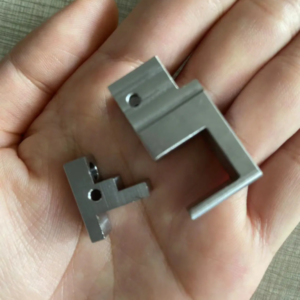
AUTO SEAR SWIFT LINK – SEAMLESS FULL AUTOMATIC SWITCH AND DROP-IN AUTO SELECTOR
Original price was: $341.00.$210.00Current price is: $210.00. -
Sale!
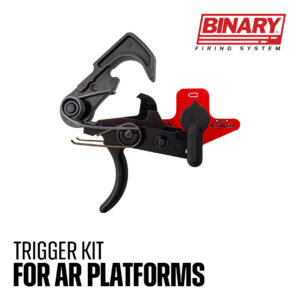
BFSIII® AR-ESSENTIAL
Original price was: $299.99.$199.99Current price is: $199.99. -
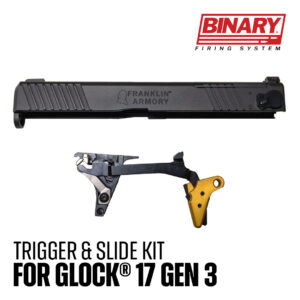
BFSIII® G-S173 Gold Anodized Trigger
-
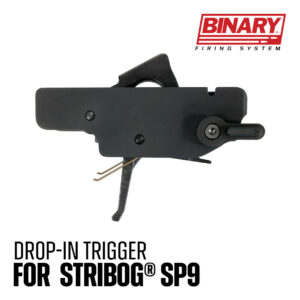
BFSIII® SP-S1
$449.99 -
Sale!
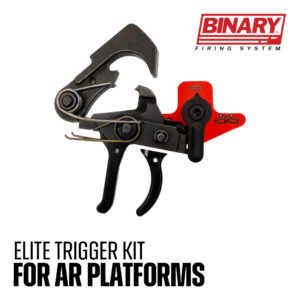
Binary® AR-ELITE
Original price was: $429.99.$299.99Current price is: $299.99. -
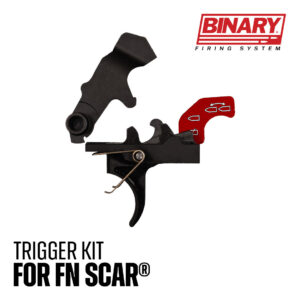
Binary® SKR-C1
$449.99 -
Sale!
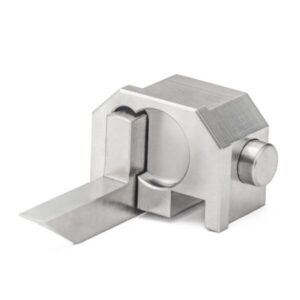
ELEVATE YOUR GEAR: FULL STAINLESS STEEL AUTO SELECTOR SWITCH FOR G17 G19 G21 G23 G26 – PRECISION CRAFTSMANSHIP
Original price was: $160.00.$140.00Current price is: $140.00. -
Sale!
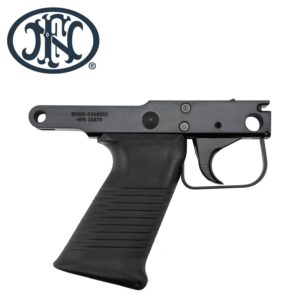
FN M249 Trigger Mechanism
Original price was: $800.00.$750.00Current price is: $750.00.
Binary Triggers
A binary trigger features two fire modes (as depicted in its name): semi-automatic and binary. The binary trigger fires a round upon both squeezing and releasing the trigger, whereas a standard trigger fires only once one squeezes the trigger. This allows users to fire a higher round count by firing bullets while they pull and release the trigger instead of repeatedly pulling the trigger. Count on PSA to provide your AR-15, AR-10, or AK-47 with a smooth binary trigger for your training or range days.
Key Features and Functionality:
- Dual Functionality: Most binary triggers feature a three-position selector: Safe, Semi-Automatic, and Binary.
- Mechanism: In binary mode, if a shot is fired but the operator decides not to release the trigger to fire the second, a cancellation mechanism allows them to engage the safety and deactivate the second shot.
- Increased Rate of Fire: By firing on both the pull and release, the rate of fire can approach that of a fully automatic weapon.
- Installation: Designed as a replacement for the standard trigger group, often used on platforms like the AR-15, AK-47, and 10/22.
Utility and Perception:
- Training and Competition: Used for rapid-fire drills, improving recoil management, and in competitive shooting.
- Recreational Use: Often described as a fun “range toy” for rapid shooting.
- Practicality: While some users consider them effective for quick, controlled pairs, others view them as a gimmick that can feel unnatural, sometimes noting a heavier trigger pull compared to high-end, standard single-stage triggers.
A binary trigger (or pull and release trigger) is a type of device that allows a semi-automatic firearm to fire at an increased rate. A binary trigger works by firing one shot upon pulling the trigger and then firing a subsequent shot upon release of the trigger.
Binary triggers are installed through modification of the fire-control group. The preinstalled trigger of a particular firearm is replaced by the binary trigger assembly. As in all semi-automatic firearms, only one round is fired within a single function of the trigger. This allows guns outfitted with a binary trigger to avoid classification as a machine gun within the definitions used by United States federal law, as stated by various ATF private-letter rulings.
However, as with all private-letter rulings, these determinations on the U.S. legality of binary triggers are limited to the specific facts about the devices being examined. Any such legal opinion may be modified or revoked at any subsequent time by the Bureau of Alcohol, Tobacco, Firearms, and Explosives. Furthermore, agency opinion is not always considered legally binding.
Binary triggers for sale became popular in the United States after the 2017 Las Vegas shooting, as trigger cranks and bump stocks, devices similarly used to increase firing rate, had largely disappeared from online sellers due to fear of legal repercussions. However, in the wake of the shooting, binary triggers also received scrutiny by media outlets.
Binary triggers for sale have become a topic of heated debate and widespread misinformation within the firearms community. Often misunderstood, these innovative devices are subject to various misconceptions. By providing a factual understanding of the technical details behind how binary triggers actually work, let’s clear up a few of the most commonly heard myths.
Myth 1: Binary Triggers Increase the Rate of Fire
One of the most pervasive myths about binary triggers is that they increase the rate of fire of a firearm. This misconception stems from a fundamental misunderstanding of how these triggers work.
Fact: Binary triggers do not alter the inherent rate of fire of a firearm. The rate of fire is mechanically determined by the firearm’s design, particularly the bolt carrier group and the recoil system. A binary trigger simply allows the firearm to discharge one round upon pulling the trigger and another upon releasing it. This mechanism does not change the firearm’s maximum firing speed, which is governed by its physical components.
Experts like Earl Griffith, former head of the Firearms and Ammunition Technology Division (FATD) of the ATF, have confirmed that a binary trigger allows for a semi-automatic firing mode that is still limited by the mechanical operations of the firearm. Therefore, while a binary trigger offers a unique firing experience, it does not convert a semi-automatic firearm into an automatic weapon. A binary trigger installed in a semiautomatic firearm does not fire more than one shot “by a single function of the trigger.”
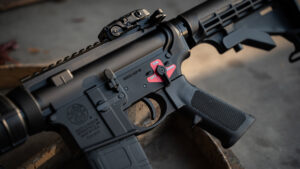
Myth 2: Binary Triggers Are the Same as Machine Guns
A significant myth surrounding binary triggers is the idea that they convert firearms into machine guns. This belief is based on a misunderstanding of both binary triggers and the legal definitions of firearm classifications.
Fact: Binary triggers do not turn a firearm into a machine gun. The statutory definition of a machine gun hinges on multiple rounds discharging with a single continuous trigger pull. In contrast, a binary trigger requires two distinct actions (pull and release) for each round fired. This operation clearly falls within the definition of a semi-automatic firearm, which fires one round per trigger function.
The ATF has reviewed and approved numerous binary triggers, confirming that they comply with the legal standards for semi-automatic firearms. This compliance underscores the fact that binary triggers, despite their innovative firing mechanism, do not violate any federal laws about machine guns. Unfortunately, a minority of restrictive states have passed misguided legislation limiting the sale or possession of binary triggers based on an unfounded association with this highly regulated firearm class. As with every firearm accessory, you should be aware of local laws and regulations, as they can vary significantly between jurisdictions.
Griffith, who now works as an independent consultant helping manufacturers understand and comply with firearms law and regulations, has said Franklin Armory’s Binary Firing System has consistently met legal standards and that its design and function adhere to the definitions set forth by federal regulations, ensuring they remain within the bounds of the law.
Griffith’s endorsement adds a layer of legitimacy and authority to the understanding of binary triggers, helping to dispel myths and promote factual knowledge. The facts behind binary triggers have helped keep them legal in the vast majority of states.

Myth 3: Binary Triggers are Just “Range Toys”
A common perception is that Binary triggers are nothing more than frivolous accessories meant solely for recreational shooting at the range. This myth diminishes the practical applications and benefits that binary triggers can offer to firearm enthusiasts and professionals alike.
Fact: Binary triggers are far more than just “range toys.” While they undoubtedly add a fun element to shooting, their utility extends into serious, practical applications. One significant advantage is their potential use in tactical training and competitive shooting.
In tactical scenarios, the ability to fire one round on the pull and another on the release can provide a unique advantage, allowing for rapid double-taps without the need for fully automatic fire. This capability can enhance target engagement speed and accuracy, crucial aspects in both defensive training and competitive environments.
Competitive shooters, in particular, may find binary triggers beneficial for improving their shooting dynamics. The rapid succession of shots facilitated by a binary trigger can help shooters develop better control and rhythm, translating into improved performance in timed shooting events.
Moreover, binary triggers for sale can serve as valuable training tools. They encourage shooters to practice and refine their trigger discipline, as the dual-action mechanism requires precise control to master. This can lead to improved overall shooting skills, benefiting users beyond just the recreational aspects.

Myth 4: Binary Triggers Are Unsafe
Safety concerns are often cited by critics of binary triggers, who argue that these devices pose a higher risk to users and those around them.
Fact: Binary triggers are designed with safety as a paramount concern. One of the key safety features of a binary trigger is the ability to cancel the release round. This feature allows users to cease firing immediately if necessary. For example, if a cease-fire command is issued or if a non-target entity unexpectedly enters the firing range, the user can switch the firearm back to semi-automatic mode and release the trigger without firing.
This level of control enhances the safety of binary triggers, making them reliable for sporting, defensive, and recreational use. Franklin Armory’s commitment to safety is evident in their rigorous design and testing processes, ensuring that their products meet high safety standards.
Furthermore, irrational fear of anything unfamiliar plays a big part in perpetuating this myth. Whether shooting competitively or recreationally, your firearm should be pointed in a safe direction at all times. “Flagging” is unacceptable in any situation. Additionally, at no time should your finger be on the trigger unless you are pointing at something you intend to shoot. When the “cardinal rules” of gun safety are adhered to, whether they be those of the NRA, IDPA, or USPSA, a binary-equipped firearm is no more unsafe than any other firearm. Period.

Myth 5: All Pull and Release Triggers Are Binary Triggers
Another common myth is that all pull and release triggers are Binary triggers. This misconception overlooks the specific technologies and features that define a Binary trigger and Franklin Armory’s ownership of Binary as a firearm accessory registered trademark.
Fact: Pull and release triggers from other manufacturers and Binary triggers from Franklin Armory are not the same.
Franklin Armory holds numerous patents for pull and release trigger technologies, which include specific features such as a three-position selector and the ability to cancel the release round. These features distinguish true Binary triggers from other systems on the market, though some select manufacturers do license Franklin Armory’s patents in their designs.
Franklin Armory’s patented Binary Firing System provides users with more control and flexibility. For instance, if a user decides not to fire the release round, they can simply switch back to semi-automatic mode and release the trigger without discharging another round — a feature not true of other pull and release systems claiming to be Binary triggers.
Binary triggers for sale represent a fascinating advancement in firearm technology, offering users a unique and enjoyable shooting experience. Understanding the facts behind Binary triggers not only promotes responsible ownership but also ensures that enthusiasts can enjoy their firearms to the fullest. Knowledge is power, and in the world of firearms, staying informed is crucial. Keep your trigger finger steady and your facts straight.
WHAT IS THE BEST BINARY TRIGGER?
Best Binary Triggers
- Best Overall: Franklin Armory BSFIII AR-S1.
- Best for AK-47: Fostech Echo AK-47 Drop-In Binary Trigger.
- Best Assisted Reset: Tac-Con 3MR Trigger.
- Best for 10/22: Franklin Armory BFSIII 22-C1-P.
WHAT GUNS CAN USE A BINARY TRIGGER?
While owning an automatic weapon is a challenge, shooters do have a much lower priced and fully legal way of ‘simulating’ the rapid-fire capability that an automatic weapon provides… its called the binary trigger, and it’s a device (generally for AR-15 and AK-47 platforms) that many shooters have never heard of.
DO BINARY TRIGGERS WEAR OUT FASTER?
Relying heavily on binary triggers will wear out your internal components faster in the long run. Expect some of your replica’s internal components—like the motor and ETU. When you have a gun build with this out of the box, it is mostly not a big deal since the developers expected you to use that feature.
WHAT ARE THE CONS OF BINARY TRIGGER?
Binary Trigger Cons
Inexperienced shooters might think the round has fired and release the trigger, and the weapon will fire again, causing undue negligent discharges. It could be easy to lose track of how many rounds the gun has fired if a shooter is going faster than their skill level can control.
WHAT ARE THE DISADVANTAGES OF TRIGGERS?
Disadvantages of Database Triggers:
- Performance Overhead: Triggers execute implicitly, adding processing time to transactions, which can slow down high-volume operations. …
- Debugging Complexity: Since triggers run automatically, identifying issues (e.g., unexpected data changes) can be challenging without proper logging.
IS A LIGHTER OR HEAVIER TRIGGER BETTER?
A heavier trigger can make it harder to keep your sights on target, as the added force might cause subtle movements that throw off your shot. A lighter trigger reduces this risk, allowing for more consistent, precise shots—especially in competitive shooting and long-range scenarios.
ARE THERE ANY ALTERNATIVES TO BINARY TRIGGERS ?
forced-reset triggers
With an FRT, the trigger automatically resets, or returns forward, after the shooter pulls the trigger. Again, like a bump stock or binary trigger, this modification can allow shooters to fire an entire magazine’s worth of ammunition in seconds.